
Category: Parent

  • A child’s spiritual journey

    A child’s spiritual journey

    “Being someone who is already pursuing my own spiritual journey with my guru, I have always been curious about how to bring these learnings to young children. It is difficult to bring such complex concepts in a simple way that children can understand” says Shailaja Tandon, principal at TMS school, Amritsar. The School of Joy program does exactly that through beautifully illustrated stories and creating space for reflection, introspection and discussions through daily practices. 

    Even before the pandemic, much of what was considered normal in society was deeply problematic. Modern life is actually very stressful. We have moved away from nature, gotten into a race of acquiring more possessions and lost our connection with our own authentic selves. The pandemic has simply highlighted the issues that already exist due to modern life. The program came in at just the right time when it was most needed. Through the program, the children and teachers had a chance to explore their core strengths and develop environmental consciousness. 

    The pandemic triggered a lot of questions within children and adults alike. Questions of self doubt that arise in many as we experience life – “Why am I angry? Why am I the way I am?” The answers to these questions were explained wonderfully through the program. The School of Joy program used an inquiry based learning pedagogical approach creating spaces for children to reflect on the question and find the answers within themselves. In ancient times, the old way of learning in gurukuls was about asking students questions and setting forth on a journey to find the answers. In a similar fashion, after each story the teachers take the children through a journey of self reflection through the daily practices and projects.

    The stories themselves are well researched and very relevant to the children’s daily life.  Tandon spoke about one of the stories in the book – Rohit saves the day. “The friendship between Rohit, the son of a bhel puri vendor with children from a higher economic status was reminiscent of the beautiful friendship mentioned in mythology about the friendship between Lord Krishna and his dear friend Sudama”. The story created a space for children to reflect on their own interactions with people of varied socio-economic status. The answers from children were authentic and refreshing. It triggered an honest discussion about what stops us from mingling with people from diverse socio-economic backgrounds. As the children explore various perspectives through the stories, there is a subtle shift seen in their own behavior.

    Students and teachers have taken a step towards self transformation through the School of Joy journey. A shift in the child’s behavior can be seen as they use tools picked up from the daily practices in the book to manage their anger or regulate emotions. TMS schools have always had meditation and self awareness as an integral part of their ethos. Even before the Little Light program, the school played meditation audios for 5 mins at the start and end of school. With the Little Light program being implemented in primary classes, there is significantly more seriousness and commitment to meditation as compared to the middle classes where the program has not yet been implemented. The program began a journey of self discovery for children.

    “It is my sincere hope that the Little Light program continues to be implemented in middle and high school too. A school’s job is not just to impart academics or finish curriculum. The School of Joy program must be a very important component of every school curriculum. The children actually need this. Without it, we are sending children out of school who can crack exams and score high marks but are not prepared to handle judgment or the harsh realities of the world.” adds Tandon. “I am excited about bringing the school of Joy program to the older students of the school soon.”

  • Building resilience at every step

    Building resilience at every step

    In the past few years, the mental health of young children has become extremely fragile—the incidence of depression and mood-related disorders has gone up. The covid-19 pandemic has only added to this with feelings of uncertainty and isolation uppermost on children’s minds. However, the School of Joy programme, with its focus on spiritual fortitude—a deep coping mechanism that helps people hold onto their faith and face difficult situations— hopes to change that. In an interview, published in Psychology Today, Daryl R. Van Tongeren, an Associate Professor of Psychology at Hope College, emphasised on the role of spiritual fortitude in character building and development, if people are able to transform their experiences of suffering into something meaningful. “Today, covid-19 is a big challenge. Tomorrow it could be something else. The idea of this programme is to empower kids to take anything head on,” says Sonali Gupta, principal, The Shriram Millennium School, Faridabad. 

    She has implemented the School of Joy programme for Grades 1-3. The pedagogy includes original stories based on spiritual insights, daily practice of self-reflection for children, projects for a deep dive into these concepts, and meditation for centering the self. TSM, Faridabad, has always been particular about the students’ mental health and well being, and the Little Light’s School of Joy proved to be a perfect fit with the school’s ethos. 

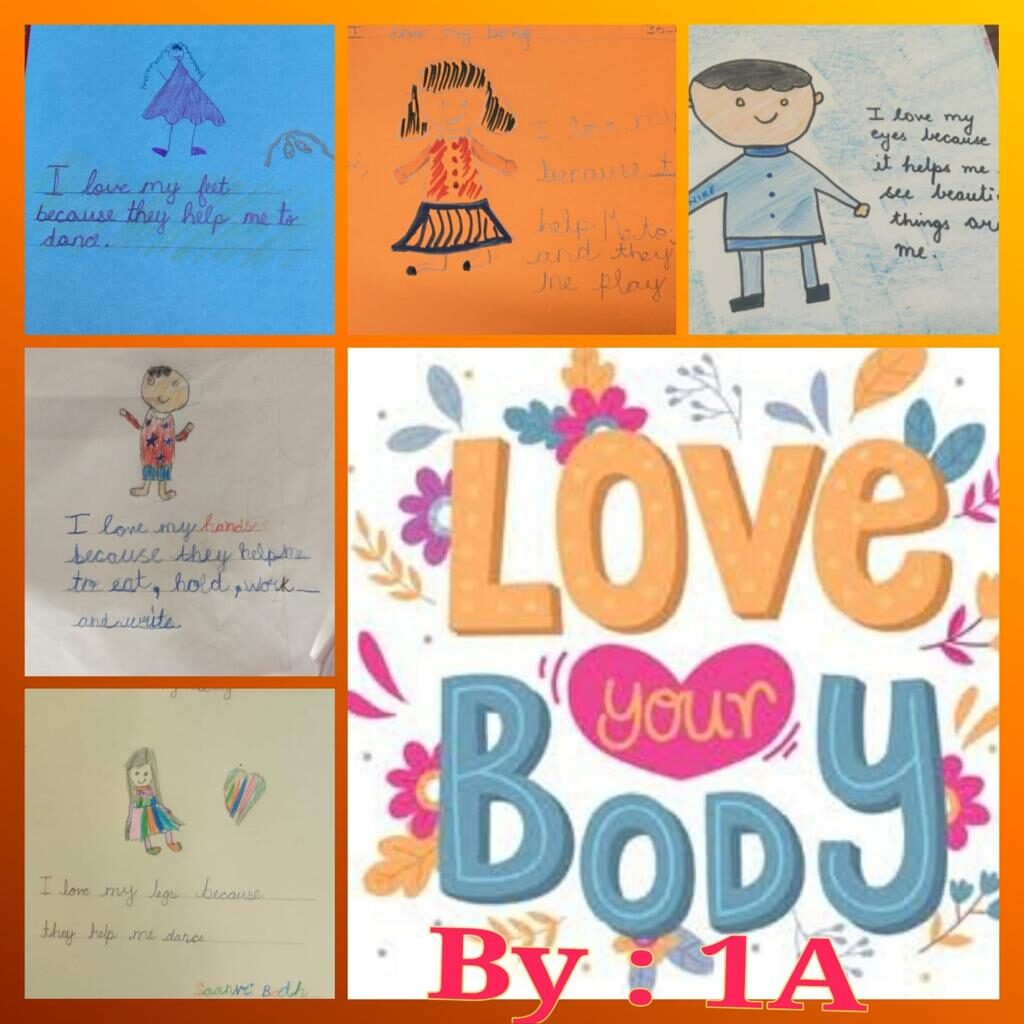
    “I am a person who believes in the power of stories. We all remember the tales that our grandmothers would tell us at night. And the School of Joy is very story-driven. That is its USP,” says Gupta. Grade 1 children might not be able to comprehend the ideas of body image, positive criticism, and more, when explained in plain terms. However, they are able to understand such complex ideas and emotions better through stories. The follow-up activities and quizzes further reinforce the values and concepts that teachers discuss in class. “Students are now becoming resilient and solution finders,” adds Gupta. 

    An article by the Center on the Developing Child at Harvard University states that it is never too late to build resilience in children. “The brain and other biological systems are most adaptable early in life… . Age-appropriate, health-promoting activities can significantly improve the odds that an individual will recover from stress-inducing experiences. For example, regular physical exercise, stress-reduction practices, and programs that actively build executive function and self-regulation skills can improve the abilities of children and adults to cope with, adapt to, and even prevent adversity in their lives,” it states. This does not mean that children will never experience challenges or emotional pain in life; it’s just that they will be able to handle it in a positive manner and cope with the outcome. Self awareness for kids is the first step to developing a strong spiritual fortitude. Teachers, parents and children are working together towards this goal as part of the School of Joy programme.

    Parents have been getting a glimpse of this unique classroom as well—earlier through the virtual medium when online classes were being conducted and now in the physical space whenever they come to school. They have also been observing the changes—some subtle and others more obvious—in their children over the past one year. In fact a parent applied some of the techniques in his office, thus creating a better environment for his colleagues.

    “Very often, you would hear parents complain that this generation is not so tolerant or so resilient. But have we as adults empowered them? As a school, we very strongly believe in this. And it is fortuitous that the School of Joy programme adds layers to this idea in such a big way,” says Gupta. 

    For her too, the coaching for teachers and the senior leadership has come with a set of positive takeaways. The foremost of these has been to be one with the moment. “Just feel the energy of that moment. It will clear so many things for you,” she adds. Self awareness for teachers is crucial to help them work on themselves and develop skills to guide children to live their life purpose. The coach certification for teachers is an added professional in their repertoire.