1500+
Children
50+
Educators
5
Schools
Educators and children begin a journey of self transformation by bringing in a focus on positive emotions.
Puja Uchil, Program Director - Little Light
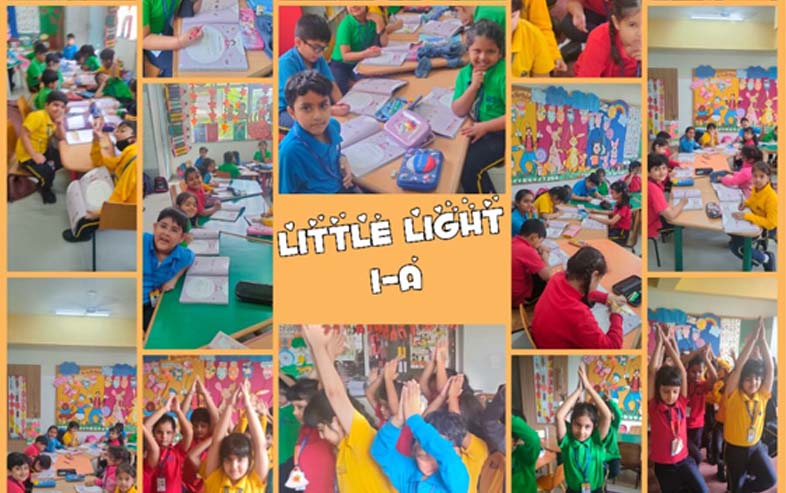
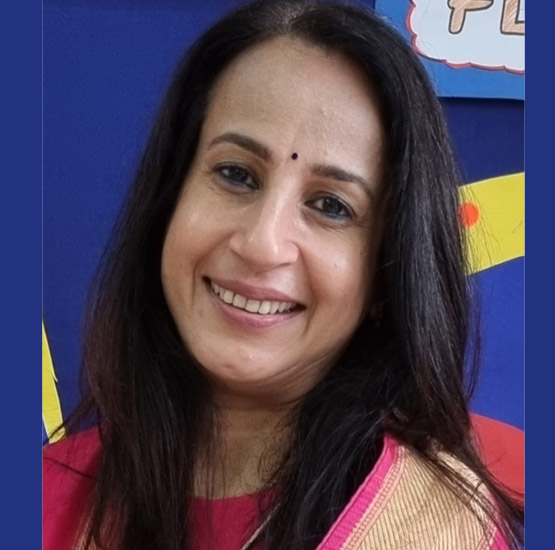
When Shilpa Sharda joined the School of Joy programme in 2021 at The Shriram Millennium School (TSMS), Noida, little did she know the effects of the programme would bring such a shift in the way she engaged with the world. As the programme entered the second year, she shared, “My shift from last year is that each and every moment I try to be and think in a positive manner. Any obstacle that’s coming my way, there will be a solution to it or else we have to look in a positive manner and things will be right. There’s nothing as such that we cannot solve – be it in school or be it at home.” This increased self confidence is a gift that many educators experience as they go through the programme.
The School of Joy programme is built on the tenets of positive psychology, a field of psychology that focuses on positive human functioning and flourishing. Instead of trying to fix what is “wrong” with people, positive psychology asks how we can cultivate human strengths such as resilience, joy, and meaning. The practices in positive education support children in discovering their own strengths and engaging more positively with the world around them. In the words of Martin Seligman, the pioneer in the field of positive psychology, “The aim of positive psychology is to steer psychology away from the darkness and toward light.”
It is this light that is discovered through the practices of mindfulness and gratitude which are two key principles of positive psychology.
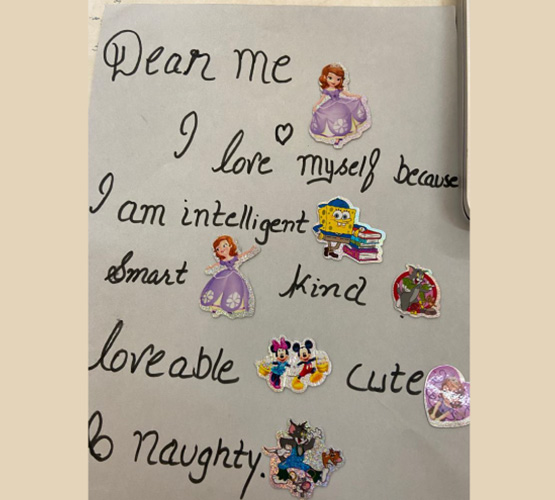
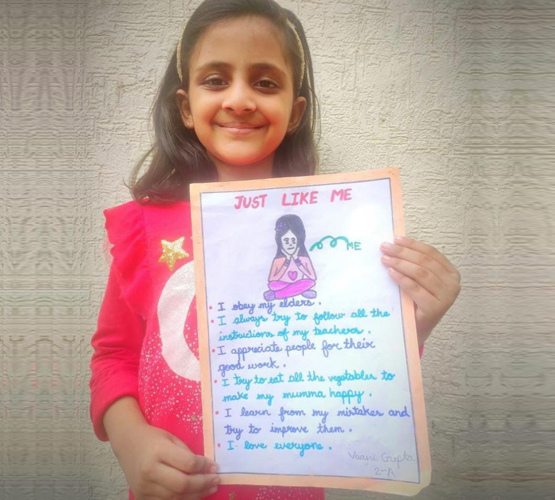
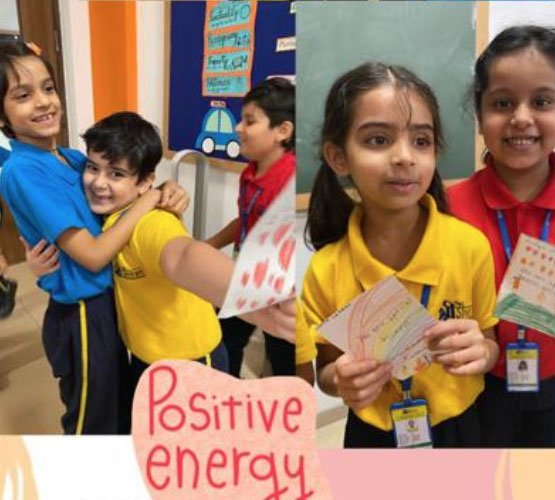
Gratitude : The benefits of practising gratitude are endless. Research shows that expressing gratitude induces positive emotions and enhances happiness. It helps in building and sustaining long term relationships. Simple practices like sharing thank you notes, creating gratitude journals or just acknowledging gratitude for the good things in life have a positive impact on our health and well being.
Mindfulness:
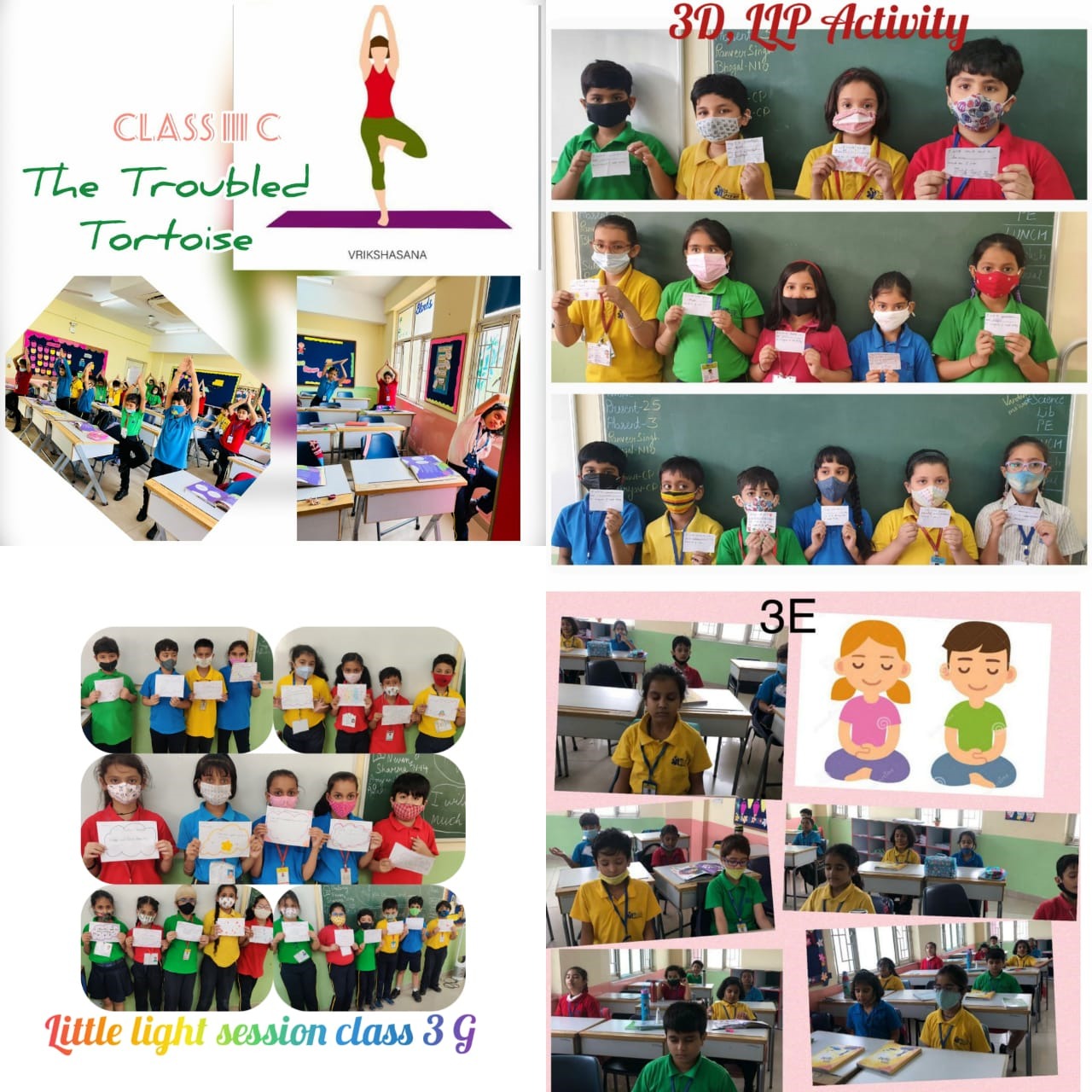
As per the Greater Good Science Centre, mindfulness means maintaining a moment-by-moment awareness of our thoughts, feelings, bodily sensations, and surrounding environment, through a gentle, nurturing lens. Practising mindfulness has many positive outcomes including diminishing stress and anxiety, increase in self awareness and enhanced wellbeing. Practices like mindfulness meditations, silent time and self reflections bring about a sense of calm and increased self awareness.
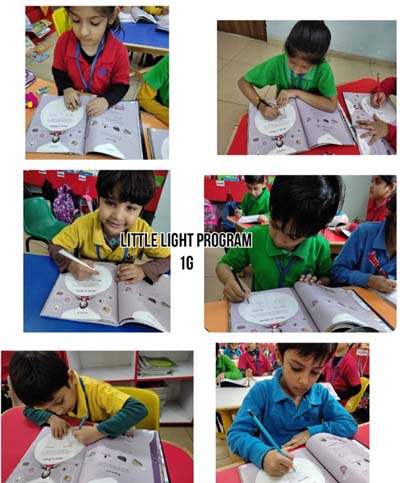
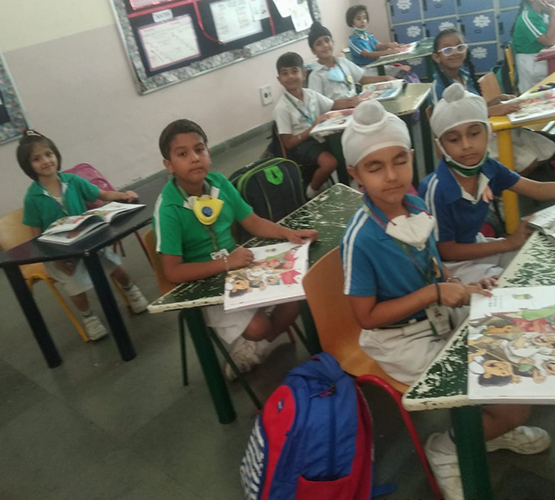
Through the School of Joy programme, the children actively practise being more mindful and engaging more meaningfully through compassion and gratitude with the people around them. Through stories like “Who is it” children learn about the importance of being aware of every moment and using all their senses.
Ramanjit Nagi, the principal of TSMS Noida shares, “The Little Light programme has taught us to accept what comes your way, even self praise. We have learnt to accept it gratefully. Embrace the positives and be proud of it. It has led to a journey of transformation knowing that you have the capacity to solve your own problems”
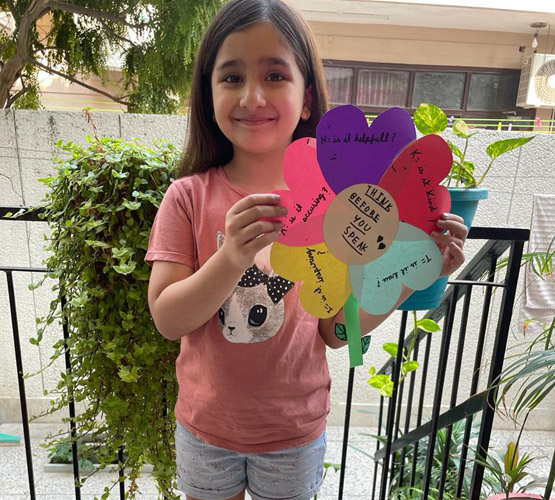
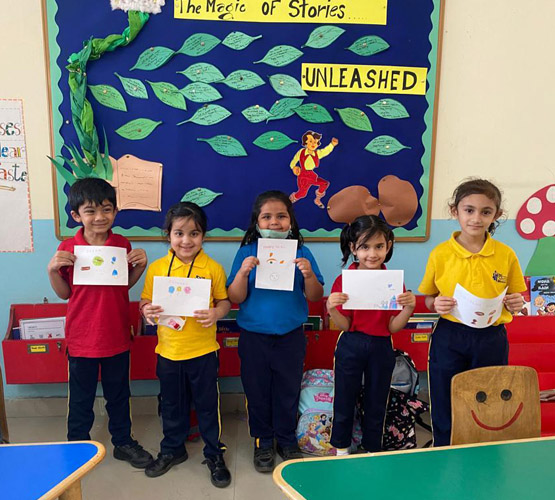
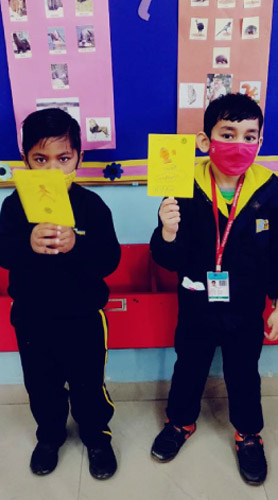
Children have now started looking forward to the sessions; and have become more mindful while listening to the stories.
Rohini Majithia, TSMS, Faridabad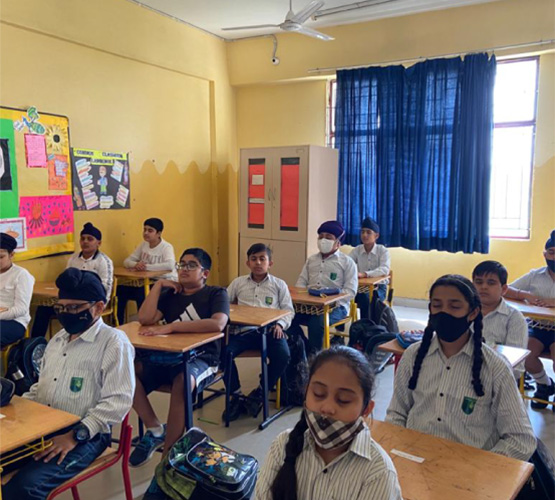
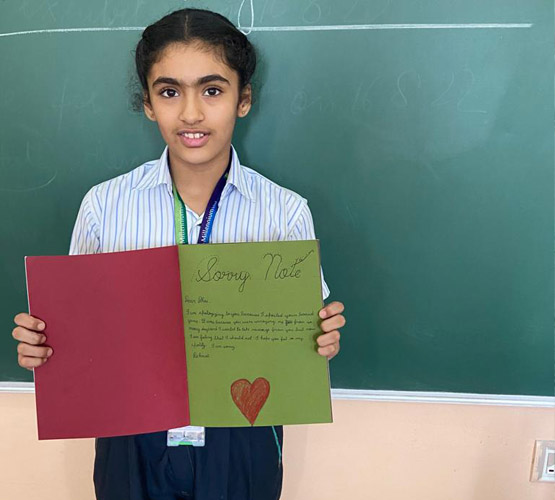
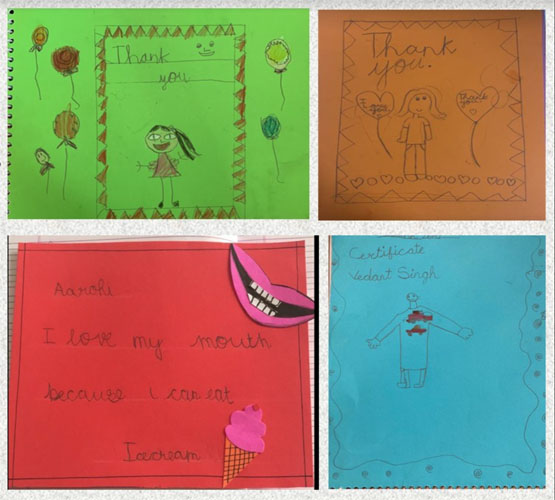
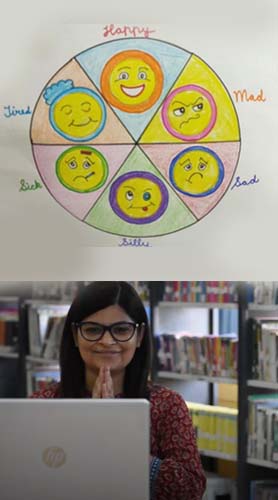
Parents are all very thankful that such a programme has been introduced at such an early stage of their child’s life.
Anuradha Gupta, TSMS, Gurgaon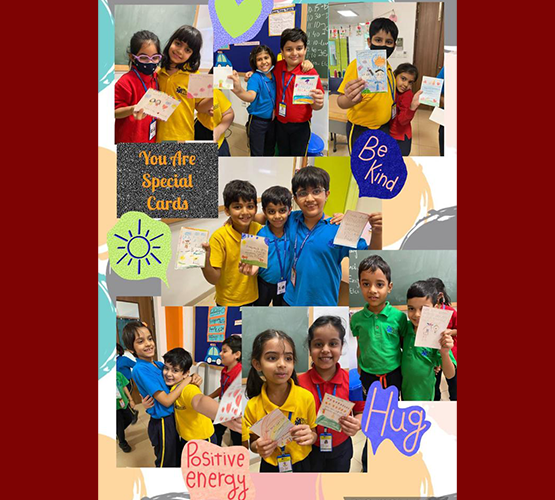
Interested in our School of Joy programme in your school?
Explore School of JoyAre you looking to become a life coach for children?
Become a Little Light CoachWith our programs launched in 2021, we have reached out to
Children
Educators
Schools






Sonali Gupta | Principal, The Shriram Millennium School, Faridabad

We wish to take the Little Light offerings to as many students, educators and schools out there. If you’d like to help us bring joy to the lives of children, there are many ways to help!
I want to support Little Light!PLOT NO. 3A, C-SCHEME, JAMNA LAL BAJAJ MARG, Jaipur, India: 302001
littlelight@littlelight.in
+91-9619-177-770
Little Light Copyright 2023 2022