1500+
Children
50+
Educators
5
Schools

Any operator looking to to offer the 7s Deluxe slot game for UK players requires a technical setup that transcends basic operation. It becomes a fundamental aspect of the enterprise, shaped as much by regulation as by player demand. The UK Gambling Commission imposes stringent regulations covering security, fairness, and player protection. These regulations define the back-end systems. To run this traditional slot game dependably, you need a system built for consistent performance, strong security, and seamless integration into a UK-licensed enterprise.
It all starts with the infrastructure. Your selection between online servers, on-premise hardware, or a mix of each type will influence both efficiency and your ability to follow the requirements. For a UK audience, data storage is a compliance issue. Player data and the game servers directly should sit physically within the UK or the European Economic Area. This meets data regulations like UK GDPR. It also has a real-world benefit: it reduces delay for players in Britain, so the games run and bonuses fire without noticeable lag.
You should not afford outages. This involves building failover, with backup systems spread across different data facilities. The objective is to keep the game operational even if hardware fails or user traffic suddenly surge. The servers must be tuned to manage the game’s graphics and its real-time calculations, offering a consistent session whether someone is browsing on a phone in Manchester or a laptop in Cardiff. Preparing for load is a continuous task. You should test under heavy load and prepare for peak times like weekends or big football matches, when traffic to casino sites peaks.
The UKGC’s technical standards translate directly into infrastructure choices. These rules are designed to guarantee fair games, stop financial crime, and protect players from harm. The technical environment for 7s Deluxe must bake these obligations into its design from the start.
On top of this, every transaction and game event needs to be logged. These logs establish an unchangeable record for audits or if a player disputes a result. They document a complete timeline of what happened in the game, from both the player’s and the system’s perspective.
Players in the UK have firm preferences for their online payment methods. The payment solution must connect to a variety of processors that accommodate those preferred methods. This covers debit cards from Visa and Mastercard, direct bank transfers using Open Banking or BACS, and popular e-wallets like PayPal and Skrill.
Each payment link needs its own security. Card payments should use 3D Secure 2.0 authentication, a component of the Strong Customer Authentication rules under PSD2. While some sites work with multiple currencies, a UK-focused one will mainly use British Pounds Sterling. The system must manage any currency conversion accurately. How fast you handle withdrawals is crucial. It is a point of competition and is monitored closely by the UKGC as part of fair treatment of customers.
For a UK gaming site, safety is not a capability you add on. It is the foundation. The infrastructure for 7s Deluxe demands various layers of security. Network measures like firewalls and intrusion detection systems are essential. They assist stop DDoS attacks and other intrusions. Regular audits for weaknesses are part of the routine. All data, whether travelling across the network or stored on a disk, must be encrypted to a high standard. If accessed, it should be unreadable.
Following UK GDPR involves having clear guidelines on data. Operators must state the legal ground for collecting player data, set periods for how long they store it, and have a procedure for when a player asks to see their own data. Financial information and personal data from UK customers need the most stringent access restrictions. Only personnel who absolutely need to see this data should be able to get to it.
Getting 7s Deluxe to operate within an existing casino platform means connecting various pieces of software. This happens through Application Programming Interfaces, or APIs. The game software, usually from a dedicated provider, has to interface efficiently to the operator’s own systems. Multiple API connections manage the essential functions.
Every piece of communication between these APIs must be secured. Encryption using TLS 1.2 or better is standard, alongside strict authentication to block unauthorized access. The integration also has to meet specific UKGC rules. Reality check reminders and a complete game history must be accessible to the player, whether inside the game itself or on their account page.

The performance of the network decides the player’s experience with 7s Deluxe. To transmit the graphics and animations seamlessly, operators often employ a Content Delivery Network, or CDN. A CDN caches static parts of the game, like image and sound files, on servers dotted around the country. This ensures a player in Newcastle gets those assets from a nearby server, not from a central one hundreds of miles away, which reduces loading times.
Having a single network connection carries risk. Operators should use multiple internet providers and peering agreements. If one path fails, traffic can move to another. Constant monitoring of network health, watching for packet loss or jitter, enables teams address problems before players observe. The objective is a consistently responsive game. Even small delays can make the slot feel sluggish and diminish enjoyment.
Operating this operation smoothly needs constant vigilance. The infrastructure for 7s deluxe slot high payout demands round-the-clock supervision. Systems should monitor server state, API speed, error counts, and transaction approval rates. Automated notifications can ping engineers the instant something seems off, letting them intervene before a minor issue turns into a widespread problem. This maintains service quality and player confidence.
Recovery systems are no less important. All critical records, from player data to financial records, must be copied periodically. These backups should be sent to secure, offsite locations. A written disaster recovery strategy is essential, and it should be validated. This strategy outlines how swiftly services must be recovered after a major failure, reducing both downtime and potential data damage.
The initial build should allow for growth. As more players find 7s Deluxe, or as new capabilities are introduced, the system must scale without a complete redesign. This can include scaling out, or up. Technologies like Docker instances, controlled by platforms such as Kubernetes, assist here. They let you adjust individual modules of the game service effectively.
An internet-based approach often meets this need. It enables on-demand resource allocation. When a marketing campaign gains traction or during a holiday period, the platform can handle the surge in players. The performance of 7s Deluxe remains consistent, providing a solid base for growing a business in the crowded UK market.
Most UK players will use a phone or tablet. Delivering 7s Deluxe to these devices demands specific optimisation. It is not just making the website fit a small screen. The game client itself must be efficient, loading fast over mobile networks. The controls, like the spin button and bet adjuster, need to function perfectly with a touch screen. The backend should deliver smaller image files to mobile devices, preserving data and battery life.
Uniformity across devices is crucial. A player might begin a session on an iPhone app, then later switch to an Android browser or a Windows PC. Their game progress, balance, and settings must track them seamlessly. This demands smart session management and reliable connectivity built into the infrastructure. It satisfies the expectation of today’s mobile-focused player for a consistent experience wherever they play.
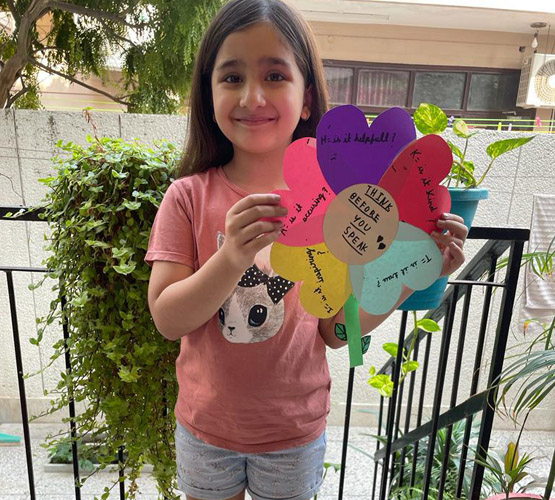


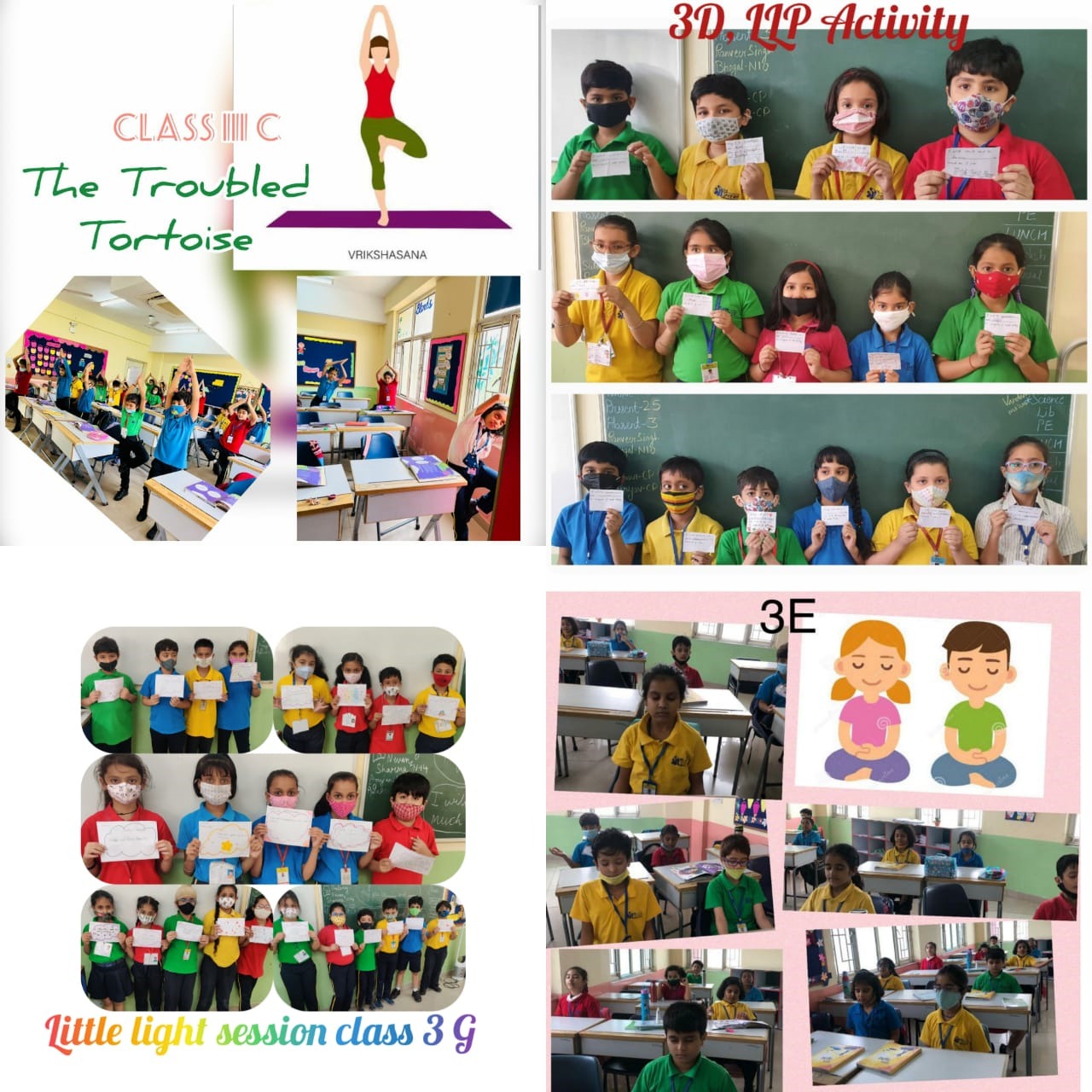
Children have now started looking forward to the sessions; and have become more mindful while listening to the stories.
Rohini Majithia, TSMS, Faridabad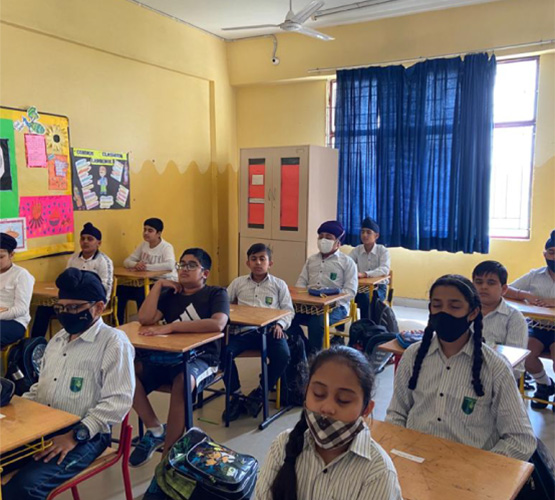

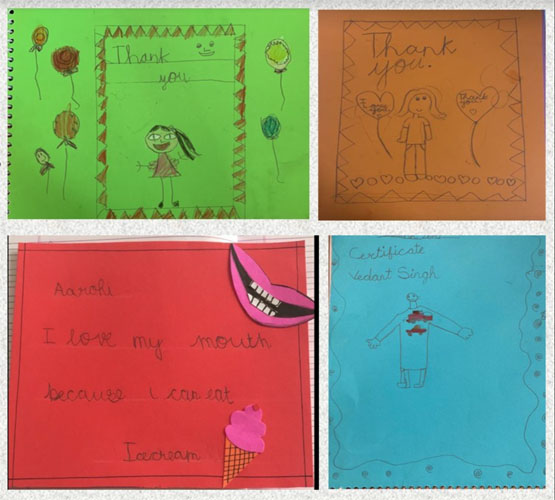

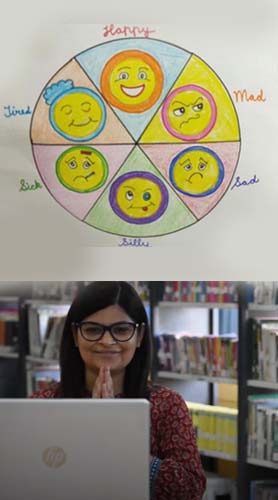
Parents are all very thankful that such a programme has been introduced at such an early stage of their child’s life.
Anuradha Gupta, TSMS, Gurgaon






Interested in our School of Joy programme in your school?
Explore School of JoyAre you looking to become a life coach for children?
Become a Little Light CoachWith our programs launched in 2021, we have reached out to
Children
Educators
Schools






Sonali Gupta | Principal, The Shriram Millennium School, Faridabad


We wish to take the Little Light offerings to as many students, educators and schools out there. If you’d like to help us bring joy to the lives of children, there are many ways to help!
I want to support Little Light!PLOT NO. 3A, C-SCHEME, JAMNA LAL BAJAJ MARG, Jaipur, India: 302001
littlelight@littlelight.in
+91-9619-177-770
Little Light Copyright 2023 2026