1500+
Children
50+
Educators
5
Schools

Across the United Kingdom, a surge of players is looking within to refine their skill on the Fishing Time Game https://fishingtimecasino.com/. Imagery practice is not any longer a marginal notion set aside for elite athletes. Regulars in Manchester gaming lounges and occasional fans in Cardiff are discovering that organised imagery can convert an standard session into a stretch of concentrated, deliberate choices. The psyche, when conditioned to picture every icon flow and bonus activation, becomes a powerful tool for anticipation and command.
The basis of all visualisation work depends on clarity. UK players who succeed at the Fishing Time Game do not simply reflect about the reels; they recreate them in vivid detail behind closed eyelids. A successful visualisation depicts the exact sheen on a golden fish symbol and the way bubbles drift upward after a spin. This level of precision primes the brain to recognise patterns faster when real money is on the line.
Beginners often grapple with fuzzy pictures. Trainers advise starting with a static image of the game screen, memorised from a recent play session. Hold that single frame for ten seconds, then add motion. Over a week of daily practice, the underwater world of the Fishing Time Game leaps into high definition. British communities on social forums now exchange tips on how to deepen this internal cinema.
Speed masks crucial information. A growing movement within the UK’s casual gaming scene advocates for slow‑motion visualisation, where every reel stop is stretched into a deliberate, frame‑by‑frame sequence. They envision the tumble of each symbol as a slow cinema reel, displaying winning clusters with remarkable clarity.
This technique is particularly potent when reviewing past sessions. A player might replay a spin that nearly landed a jackpot and re‑run it in their mind at quarter speed. Doing so reveals where a single symbol could have altered the outcome, boosting pattern https://24.hu/tag/eurojackpot/ awareness. The Fishing Time Game rewards those who detect detail where others see a blur, and slow‑motion rehearsal refines that razor edge.
Excitement is half the thrill, and UK players harness visualisation to prepare for the Fishing Time Game’s signature bonus features. They sit with eyes closed and mentally traverse the exact reel configuration that unlocks free spins. Three scatter anchors appearing on reels one, three, and five transform into a familiar sight before they ever appear on the screen.
This rehearsal extends into the bonus round itself. Players imagine the pick‑a‑prize screen, imagining the sensation https://www.reddit.com/r/Columbus/comments/1ekxkv/thoughts_on_hollywood_casino/ of selecting a treasure chest and observing a multiplier expand. By eliminating the shock of the unexpected, they preserve their decision‑making calm. In forums from Birmingham to Edinburgh, testimonials pour in about how this mental scripting stops panic when a rare mega feature finally activates.
Each symbol within the Fishing Time Game holds a unique weight, and sharp-eyed players commit to memory their shapes through targeted visual drills. A common exercise entails closing the eyes and rotating a worm, tackle box, or leaping bass symbol in three dimensions. This develops a mental library that boosts real‑time recognition when the reels spin at speed.
Advanced practitioners take the drill further by visualising symbol stacks landing on adjacent reels. They picture two wild fishermen appearing side by side, then mentally trace the payline that would ignite. The UK’s most devoted students of the game claim these isolated symbol rehearsals cut reaction time by a fraction of a second, enough to adjust a stake strategy mid-session.
The Fishing Time Game’s reel grid can feel like an underwater maze. Mastering spatial visualisation lets a player to see payline routes as glowing threads threaded through the symbols. They practise rotating the entire grid in their mind’s eye, viewing it from above or from the side. This three‑dimensional perspective reveals winning pathways that a flat, two‑dimensional glance might miss.

One effective drill includes projecting a transparent overlay of all active paylines onto a blank screen. Players then mentally stock it with random symbols and trace every possible combination from left to right. The exercise builds a robust internal map. British competitors who invest time in this spatial training often notice a sharp uptick in their ability to spot near-miss configurations.
Feelings can sink even the most disciplined player, which is why visual markers has become a standard among British Fishing Time Game regulars. An anchor is a striking mental image tied to a fixed rule. For example, a player might visualize a bold red stop sign if their balance falls by ten percent, prompting an immediate break.
Building a personal gallery of these anchors transforms abstract money management into concrete imagery. Some picture a lifebuoy thrown onto the screen as a signal to keep afloat. Others picture a calm harbour at the finish of a fruitful session. The below elements form a robust anchoring framework:
By integrating these visual triggers through regular rehearsal, UK players report a remarkable improvement in self-regulation. The Fishing Time Game becomes a alliance between imagination and logical planning.
Before a single stake is placed, committed UK players spend ninety seconds in a mental warmup. This pre-play ritual blocks out the noise of a hectic commute or a frantic household. Staying calm, they visualise the exact sequence of logging in, experiencing the splash sound, and watching the first scatter symbol land. The ritual communicates to the brain that a focused session is about to commence.
Many devotees combine this with slow breathing. As they breathe in, they picture energy flowing into their fingertips; on the exhale, they release any remaining frustration from the day. The Fishing Time Game then becomes less of a gamble and more of a practiced skill. UK players claim that this basic habit slashes impulsive stake increases caused by emotion.
True visualisation does not occur in a silent void. The Fishing Time Game boasts a rich audio scape of bubbling water, reel clicks, and triumphant fanfares. UK practitioners intentionally weave these sounds into their mental movies. Hearing the ascending chime as a wild symbol lands makes the visual picture vivid and far more immersive.
To train this, players close their eyes and remember the exact rhythm of a winning spin heard earlier that day. They synchronise the pulsing light of a payline with the metallic clink of a coin cascade. This multi‑sensory fusion strengthens neural pathways, making the game feel deeply familiar. When the real sounds hit during a live session, the brain reacts with calm recognition rather than surprise.
Human brains are wired to grasp colour, and the Fishing Time Game’s aquatic palette is no accident. Savvy players across Great Britain condition themselves to spot sequences of bright blue water symbols against darker coral backgrounds. By allocating a mental highlight colour to high-value icons, they establish an instant alert system during bonus rounds.
A popular technique entails imagining a heat map over the reels, where cold blues represent low-paying symbols and fiery oranges highlight the big fish. During practice, a player might run through twenty imaginary spins, mentally hue‑coding each result. Over time, this transfers into a quick‑fire assessment of a spin’s potential, aiding them decide whether to increase or reduce their wager.
A last technique attracting attention across the United Kingdom involves visualizing a mental timeline of a session. Before the first spin, players visualise a winding river that represents the next hour of play. They place flags along the riverbank to mark profit targets and loss boundaries, transforming abstract numbers into a scenic journey.
As the session develops, they mentally move a small boat along this river. When the boat arrives at a red flag, play halts immediately. This method bases the Fishing Time Game in a narrative that is straightforward to remember and obey. The technique spreads rapidly through UK streamer communities, who champion it as a way to walk away with winnings intact and the thrill of a well‑executed plan.
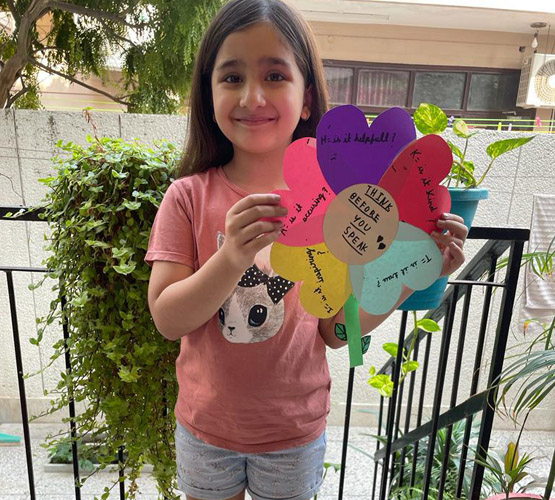
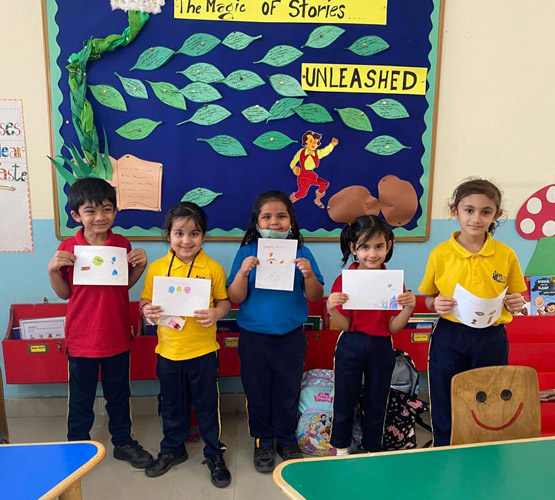

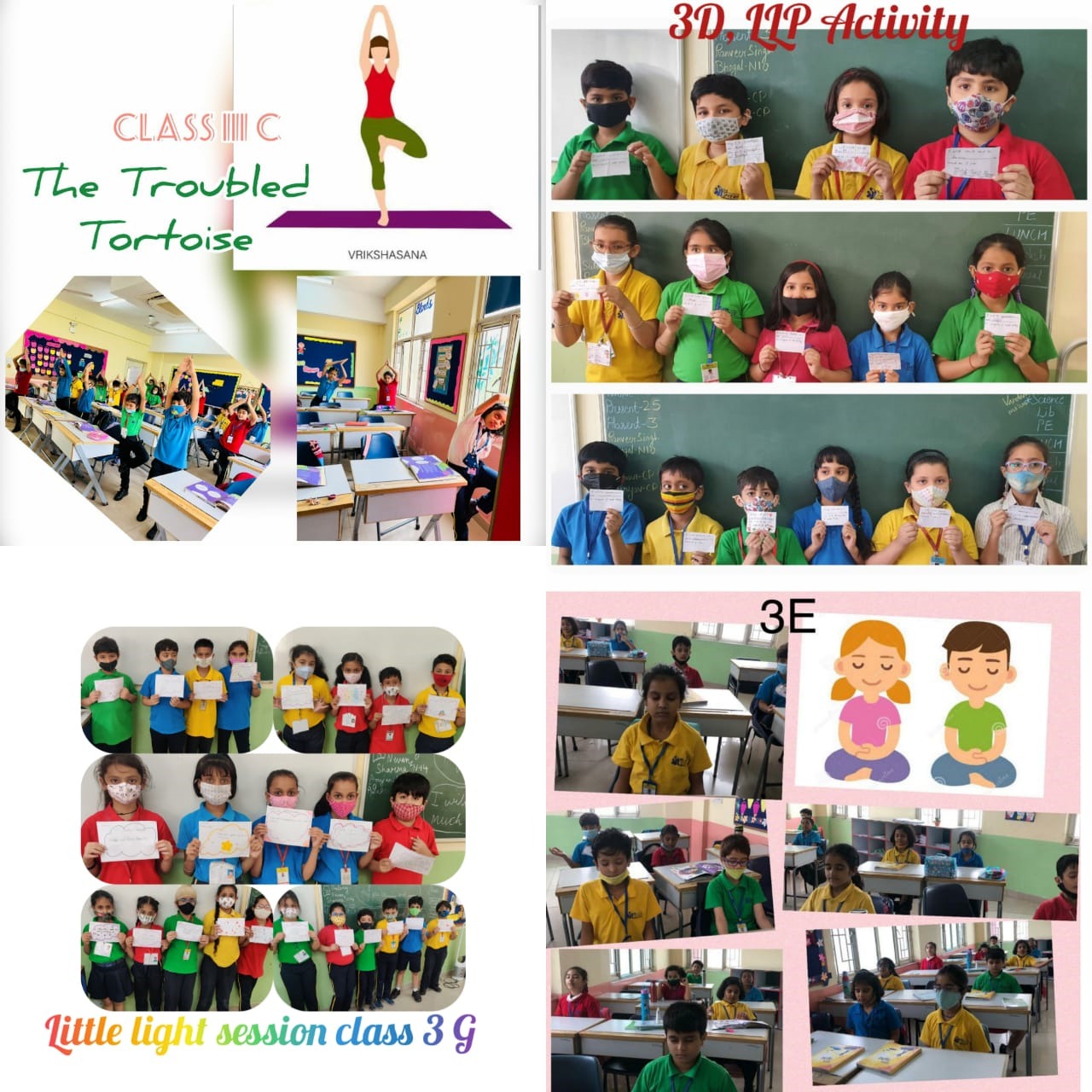
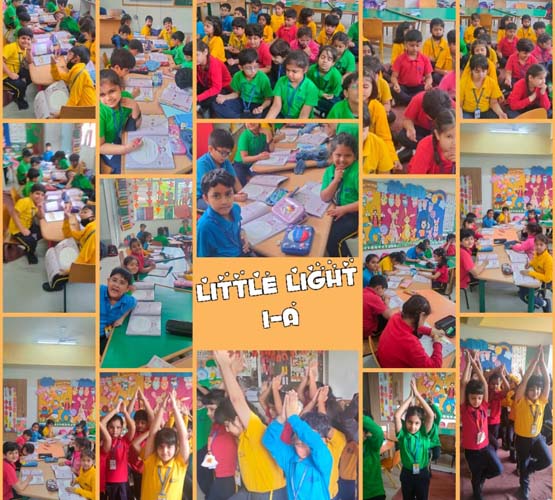
Children have now started looking forward to the sessions; and have become more mindful while listening to the stories.
Rohini Majithia, TSMS, Faridabad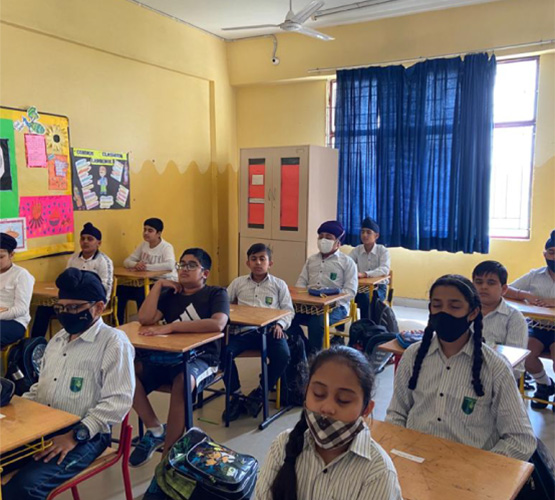
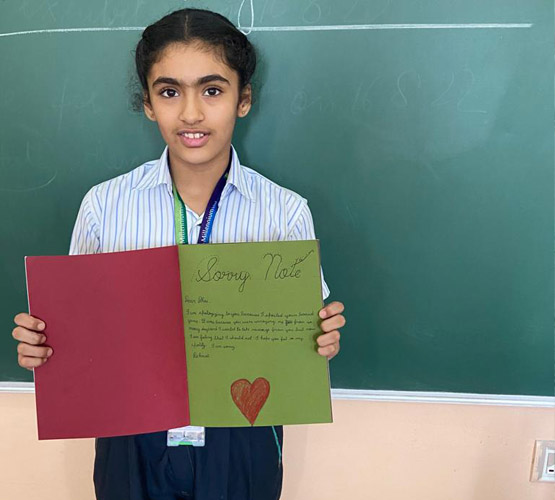
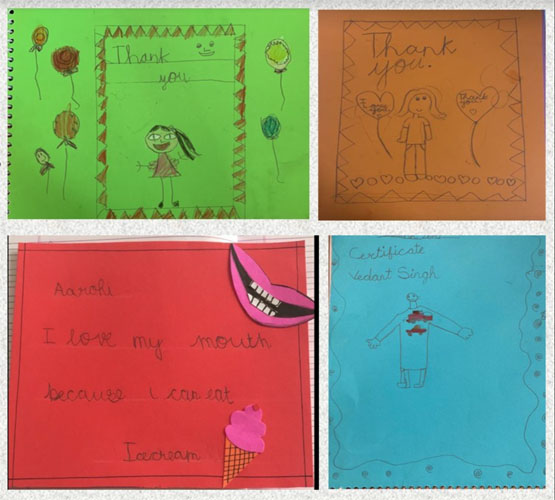

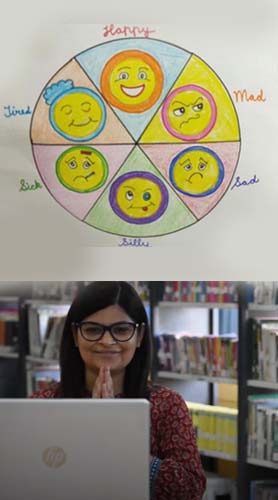
Parents are all very thankful that such a programme has been introduced at such an early stage of their child’s life.
Anuradha Gupta, TSMS, Gurgaon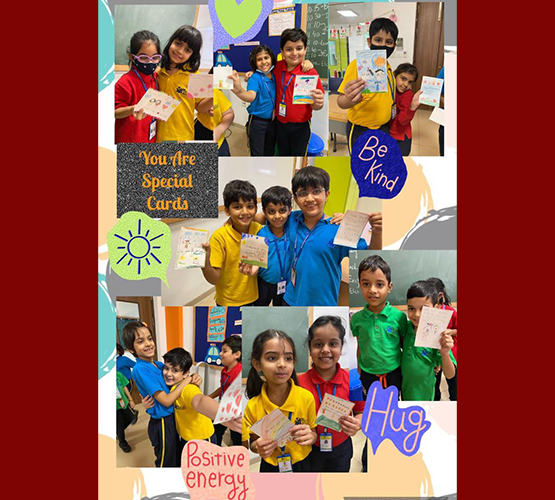
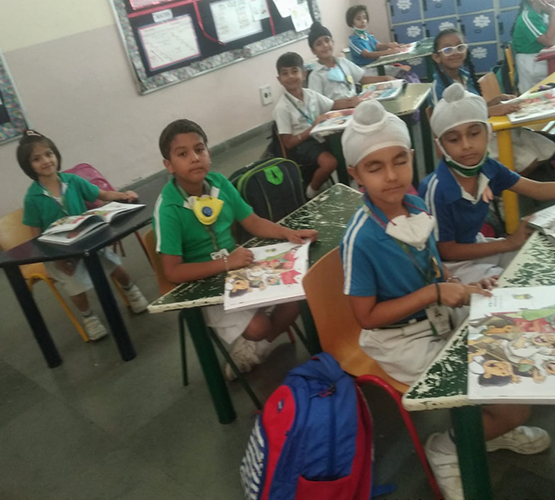




Interested in our School of Joy programme in your school?
Explore School of JoyAre you looking to become a life coach for children?
Become a Little Light CoachWith our programs launched in 2021, we have reached out to
Children
Educators
Schools






Sonali Gupta | Principal, The Shriram Millennium School, Faridabad


We wish to take the Little Light offerings to as many students, educators and schools out there. If you’d like to help us bring joy to the lives of children, there are many ways to help!
I want to support Little Light!PLOT NO. 3A, C-SCHEME, JAMNA LAL BAJAJ MARG, Jaipur, India: 302001
littlelight@littlelight.in
+91-9619-177-770
Little Light Copyright 2023 2026