1500+
Children
50+
Educators
5
Schools
Over the past decade, I’ve witnessed the UK food and dining scene evolve from a collection of sleepy high-street chains into a lively, creative tapestry. As a Manchester-based food writer, I’ve held a prime vantage point to the city’s culinary renaissance, and the developments here reflects trends from Edinburgh to Brighton. In this piece, I’ll lead you past the typical lists. We’ll examine how we eat now, why particular neighbourhoods buzz with activity, and what a more thorough examination at British dining shows about quality, identity, and the pure pleasure of a superb meal.
The tasting-menu format, once the preserve of hushed London dining rooms, now flourishes in Manchester. At Mana, Simon Martin has built a composed, ingredient-led experience that feels distinctly Northern. I’ve sat through evening services where each course tells the story of a single producer: Cumbrian lamb, forced Yorkshire rhubarb. This isn’t copying Copenhagen; it’s recovering British produce with quiet confidence.
Technique has moved past foam and gels. Chefs now use fire, fermentation and ageing to draw depth from humble vegetables. A dish of salt-baked celeriac with cultured cream often surpasses the meat course. Service has softened, too. The stiff, white-tablecloth rituals are gone. In their place, a warm, informed style where the sommelier might crack a joke about natural wine funk. That shift turns a £120 tasting menu into a warm conversation, not a lecture.
Access to these meals has widened thanks to lower overheads outside the capital. Manchester’s warehouse conversions and railway arches offer distinctive spaces at rents that let talent flourish. I’ve spoken to chefs who moved north specifically to escape property pressures and build a loyal following. The result is a dining scene that rewards curiosity without demanding a second mortgage.
Some of the most thrilling plates I’ve tasted recently draw heavily from Korea, Mexico, Syria and Sichuan. Manchester’s Curry Mile is still a legendary stretch of South Asian cooking, but the new wave extends much further. A tiny basement on George Street presents Oaxacan-inspired moles using British ingredients; a former textile warehouse hosts a Filipino tasting night. I observe these spaces with sincere enthusiasm because they won’t approach authentic flavour as a tourist trade.
This isn’t fusion for its own sake; it’s a chef with dual heritage narrating a story. I applaud kitchens that refuse to dumb down spice levels. When you order mapo tofu or a proper Goan vindaloo here, you receive the real burn|the genuine heat|the authentic kick, not a watered-down version. The UK’s recipes advice scene has finally lost its bland reputation, and I think Manchester’s international student population sped up that shift faster than any other force.
The grocery aisle mirrors this evolution. Middle Eastern delis in Cheetham Hill carry rare za’atar blends and fresh labneh that land on restaurant menus the same week. This direct connection between supplier and chef means dishes taste grounded, not like a travel trend. I watch that pipeline closely because it reveals where the next wave of flavour is bubbling before it hits the glossy magazine spreads.
London boasts its Shoreditch and Peckham; Manchester’s own redevelopment stories are etched on red-brick walls. Ancoats, once the industrial heart of the city, is now a food district where you can graze sourdough at Pollen Bakery, then stroll two minutes for Iberian plates at tiny wine bars. I appreciate how Cutting Room Square thrums from breakfast through late-night negronis, all within a one postcode that scarcely appeared on the food map a decade ago.
The suburban shift is just as fascinating. Chorlton’s Beech Road and Prestwich’s Bury New Road have transformed into miniature food avenues. I explore these streets not for a one meal but for a whole afternoon: moving between a wine bar, a gelateria and a fishmonger with a counter. You rarely need a strict plan; the pleasure resides in letting the neighbourhood unveil itself one doorway at a time.
This dispersal changes how we plan a Saturday. You never head to “town” by default. Instead, you pick a neighbourhood and dedicate. That depth (baker, coffee roaster, bistro, bottle shop) converts a postcode into a destination. It promotes slow exploration and builds genuine local loyalty. I believe that a neighbourhood that feeds you well all day feels more like a community than a postcode ever could.
The way we secure a table has transformed fully. Walk-in-first neighbourhood spots like Erst and Another Hand use a no-reservation model, while tasting-menu houses offer reservations in monthly drops that sell out in seconds. I keep a personal calendar of release dates just to stay competitive. The fear of missing out has become a genuine part of the dining experience; I get messages from readers who set alarms for noon on release day as if buying concert tickets.
Online menus, once a pandemic necessity, have become standard in many casual spots. I scan QR codes that show ingredient stories and wine pairings beyond the printed card. But the best dining rooms still hand you a thick, paper menu with a sommelier’s handwritten notes, a choice I savor. There is something irreplaceable about the weight and texture of a well-crafted menu that a screen cannot replicate.
Social media now acts as a digital chef’s table. I’ve reserved meals purely because a chef’s Instagram stories showed pre-service prep with such authenticity. Yet the pressure to take photos can spoil the moment. I always encourage readers to take one quick shot, then put the phone away. Food feels better when you’re present; a stream of photos rarely reflects the hush that settles over a room when a perfect dish lands.
The climate dialogue has moved from the fringe to the menu center. Culinary Artists across the UK now cite their growers right next to dish titles. In Manchester, kitchen plots like Cinderwood provide several innovative kitchens with produce gathered that morning. When I eat a tomato that still carries greenhouse warmth, I know the supply chain is calculated in miles, not continents.
Nose-to-tail butchery and whole-vegetable cooking minimize waste elegantly. When I eat a carrot prepared three ways, roasted, mashed and brined, I appreciate the kitchen considered about the raw material’s end-to-end life. That approach applies to drinks: bars blend citrus rinds into syrups and transform spent coffee grounds into cordials. Zero-waste once seemed like a lesson; now it tastes like resourcefulness.
It’s not just generosity; it’s a survival plan. Soaring energy and ingredient costs force restaurants to squeeze value from every stem. I admire places that embrace this without preaching, making sustainability appear like innovation rather than limitation. The most authentic plate I ate this year was a bowl of heritage grain mush with vegetable scraps, evidence that thrift can be delicious when the cook knows what they’re working with.
A menu is a sales document dressed as poetry. I’ve taught myself to recognize the gimmicks: the “golden triangle” where the eye settles first, the employment of descriptive adjectives that increase perceived value, and the strategic removal of pound signs. Knowing these lets me order smarter. When I see a dish located in the top-right corner, I grasp the kitchen expects me to pick it, and I ask myself whether I genuinely want that or whether I’m being nudged.
Ingredient lists that cite a farm or a rare breed, like “Tamworth pork chop,” signal a kitchen that places provenance ahead of margin. Vague words such as “pan-seared” or “served with seasonal vegetables” tell me the kitchen is coasting. The more a menu depends on familiar comfort words without citing a supplier, the more likely the food showed up in a vacuum-sealed bag from a central depot.
Whenever I scan a menu, I look for dishes defined with three precise ingredients instead of a series of modifiers. A line that reads “grilled mackerel, gooseberry, elderflower” respects the produce. In contrast, a dish called “signature tangy citrus-glazed…” often masks a sweet, one-note sauce. Trust specificity; question florid adjectives. That simple tip has spared me from countless mediocre meals.
Pricing psychology counts too. I’ve noticed that £18.50 feels more precise and less indulgent than £19, but a menu that blends decimals and whole numbers appears scattered. The real benchmark is how many menu items genuinely showcase a technique rather than an assembly job. That quick look indicates the meal’s soul before I’ve even opened my napkin.
Ancoats wins for concentration and diversity. In one afternoon you can hit a bakery, a natural wine bar, a pasta kitchen and an independent gelateria, all within a five-minute walk. The Northern Quarter has a more casual daytime buzz, while Chorlton and Prestwich provide unhurried suburban grazing with excellent lunch spots and delis.
For tasting-menu venues, I’d suggest locking in four to six weeks ahead, especially for weekend evenings. Some publish tables in monthly batches that sell out within hours. For popular casual spots that take reservations, two weeks is usually safe. I always monitor a restaurant’s Instagram or newsletter for booking drop announcements before planning a special occasion.
Yes, when the kitchen approaches the format as a personal manifesto rather than a conveyor belt. In Manchester, a good tasting menu between £75 and £130 often gets you twelve to fifteen plates that spotlight seasonal British produce with genuine care. I find the value lies not just in the food but in the unhurried pace and the storytelling that unfolds over three hours.
For a starter, main course and a small glass of wine at a local bistro, anticipate paying between £35 and £50 per head. Starters usually cost from £8 to £12, mains from £16 to £24, and a glass of house wine costs about £6 to £9. Prices rise modestly in the city centre but are still competitive compared with London equivalents.
Incredibly easy. Most modern British menus now build vegetarian plates that take centre stage rather than lag behind. I regularly find whole menus where vegetables are the star, from wood-roasted hispi cabbage with miso butter to beetroot tartare. Dedicated plant-based restaurants like The Allotment have also set the bar higher, and omnivore kitchens easily adapt without making you feel secondary.
Many restaurants now include an optional service charge of ten to twelve and a half percent to the bill. I always check before paying. If service has been truly friendly and attentive, I keep the charge as is. If service is lacking, I kindly request for it to be removed and offer a cash tip that matches what I think the team has earned.
I follow a few of reliable local food writers on social media and sign up for newsletters from small food publications. Soft launches and friends-and-family nights are goldmines for early access. I also keep an eye on planning applications and licensing notices in areas I love; they often expose a new opening months before the first plate is served.
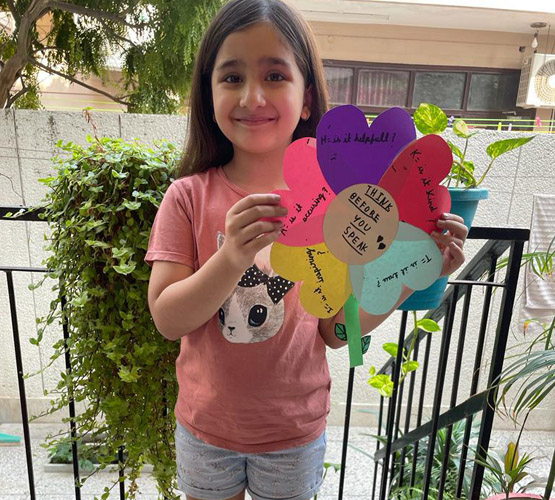
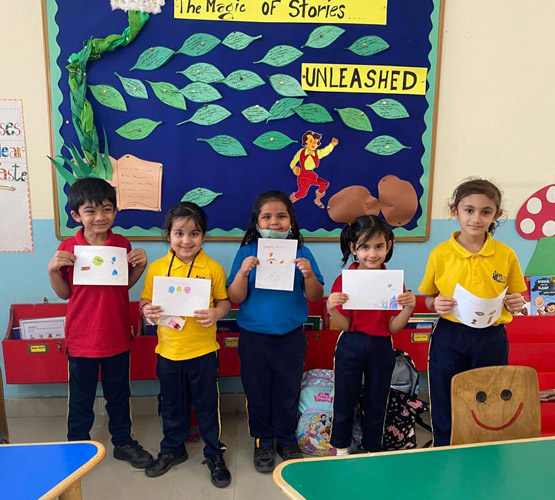

Children have now started looking forward to the sessions; and have become more mindful while listening to the stories.
Rohini Majithia, TSMS, Faridabad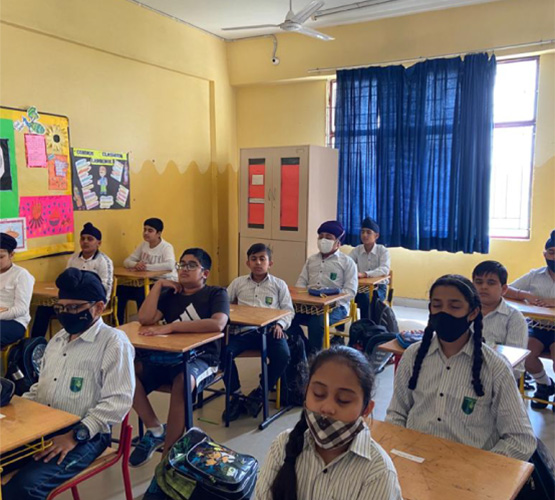




Parents are all very thankful that such a programme has been introduced at such an early stage of their child’s life.
Anuradha Gupta, TSMS, Gurgaon








Interested in our School of Joy programme in your school?
Explore School of JoyAre you looking to become a life coach for children?
Become a Little Light CoachWith our programs launched in 2021, we have reached out to
Children
Educators
Schools






Sonali Gupta | Principal, The Shriram Millennium School, Faridabad


We wish to take the Little Light offerings to as many students, educators and schools out there. If you’d like to help us bring joy to the lives of children, there are many ways to help!
I want to support Little Light!PLOT NO. 3A, C-SCHEME, JAMNA LAL BAJAJ MARG, Jaipur, India: 302001
littlelight@littlelight.in
+91-9619-177-770
Little Light Copyright 2023 2026